The Human Touch: Benefits of Little Assisted Living Homes in Senior and Memory Care
Business Name: BeeHive Homes of Bosque Farms
Address: 1935 Bosque Farms Blvd, Bosque Farms, NM 87068
Phone: (505) 357-0505
BeeHive Homes of Bosque Farms
Beehive Homes of Bosque Farms assisted living care is ideal for those who value their independence but require help with some of the activities of daily living. Residents enjoy 24-hour support and caring assistance, private rooms and home-cooked meals. Assisted living should feel like home. Welcome home!
1935 Bosque Farms Blvd, Bosque Farms, NM 87068
Business Hours
Families hardly ever start their look for assisted living and memory care with a clear map. More frequently, it begins with a fall, a roaming occurrence, a distressing telephone call in the evening, or a sluggish awareness that a parent is no longer safe living alone. Extremely rapidly, you discover yourself weighing glossy brochures for large senior neighborhoods against peaceful, simple homes tucked into residential neighborhoods.
I have actually spent years inside both models: handling care groups in large senior living schools and advising families who ultimately chose little residential assisted living homes. Both can be appropriate. Yet little homes, when well run, offer a kind of human touch that is difficult to replicate in larger settings, particularly in memory care and respite care.
This short article looks carefully at the advantages of small assisted living homes, without romanticizing them. The objective is not to sell one answer, however to offer you a clear, practical understanding of what a smaller setting can provide, what to expect, and when it is the right fit for your family.
What "small assisted living" truly means
The term "small assisted living home" generally refers to certified residential care homes that serve a restricted variety of residents, typically in between 4 and 16, in a single house or a little building located in a normal neighborhood.
From the outdoors, they often look like any other home on the street. Inside, they offer support with activities of daily living, such as bathing, dressing, and medication management, along with meals, supervision, and differing levels of memory care.
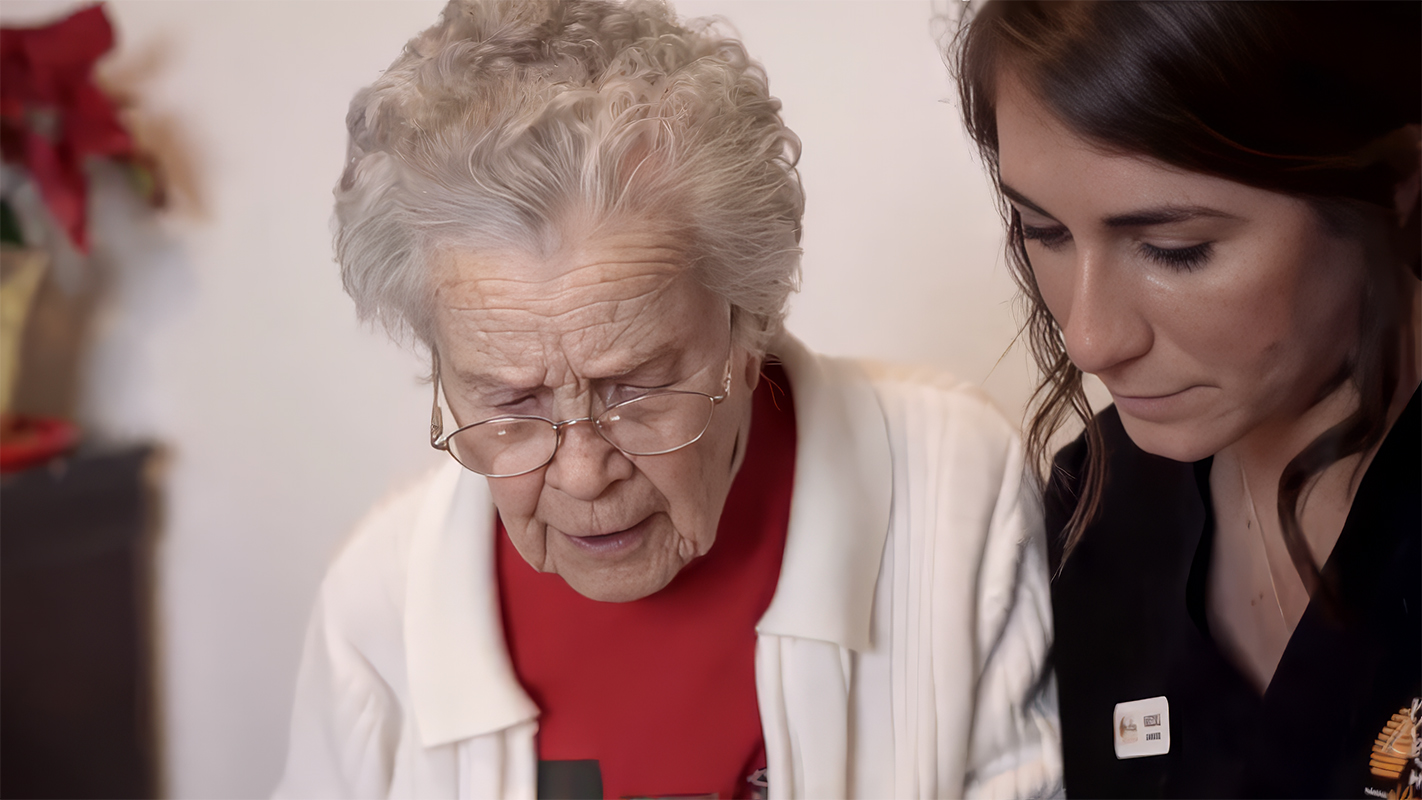
Several functions tend to distinguish these homes from larger senior care communities:
- Resident census is low, which impacts staff-resident relationships, routines, and social dynamics.
- Floor plans look like a family home more than an institutional building.
- Staffing functions are often combined: caretakers might cook, clean lightly, and provide individual care within the very same shift.
- Leadership is close to the floor. Owners or administrators are more noticeable and accessible.
None of this assurances quality by itself. Laws and standards matter, and they vary by state or nation. However, the scale and intimacy of little assisted living homes produce structural advantages for numerous older grownups, particularly those living with dementia or intricate medical needs.
The psychological landscape: why scale matters in elderly care
Senior care is not just a clinical choice. It is a psychological environment that somebody will live in 24 hr a day. The scale of a community shapes that environment in ways families typically ignore when they first tour.
In big neighborhoods, a new resident may fulfill lots of staff during the very first week: multiple caregivers, nurses, activity organizers, dietary assistants, receptionists, and so on. Names blur. Regimens feel choreographed around the needs of the building instead of the individual. Gradually, lots of residents adjust and thrive, but the adjustment can be tough, specifically for those with memory loss who fight with brand-new faces and intricate layouts.
In a small assisted living home, the psychological landscape is various. A resident might routinely communicate with the same 4 to 8 employee. The living-room and cooking area are actions far from the bed rooms, and the garden shows up from a lot of windows. Even when cognition suffers, the environment feels decipherable. Citizens detect smells from the kitchen, voices from the hallway, and the rhythm of a home instead of the hum of a facility.
For an individual with dementia, this simplicity can lower anxiety, reduce agitation, and make engagement more natural. I have actually seen quiet, withdrawn senior citizens in a big memory care system end up being talkative again in a little home once they recognized the caretakers and might forecast the flow of the day.
Continuity of relationships and the power of being "understood"
The phrase "person-centered care" appears in almost every pamphlet for elderly care. The distinction is not whether neighborhoods utilize the phrase, however whether their structure permits it.
In a small home, caretakers usually assist the same homeowners each day. Over weeks and months, they accumulate a deep, practical knowledge: how Mrs. Alvarez likes her tea, the tune that soothes Mr. Young when he ends up being distressed, the exact way to position Mr. Rivera's pillow so his arthritic shoulder does not ache during the night. This kind of knowledge hardly ever makes it into a care plan, yet it shapes quality of life.
I recall a gentleman with moderate Alzheimer's illness who grew distressed each evening in a big memory care wing. Personnel did their best, however shifts altered, and new aides often tried to redirect him with basic techniques. Later on, he transferred to a six-bed assisted living home. Within 2 weeks, one caretaker had actually discovered his previous commute path and started taking short walks with him at the very same time he used to return home from work, telling the "drive" aloud. His night agitation decreased substantially. Nothing in his medication list changed. What altered was the level of personal attention and continuity.
This is not a criticism of caregivers in bigger settings, who typically work simply as tough under much heavier projects. It is an observation about ratios and structure. In a home with less locals, personnel can slow down enough to notice patterns, personalize routines, and carry that finding out forward day after day.
Advantages for memory care in small homes
Memory care, whether in a devoted system or embedded in an assisted living setting, is where the difference in scale often becomes most obvious.
First, individuals coping with dementia take advantage of duplicated, predictable interactions. In little assisted living homes, the same caretaker frequently assists with early morning care, escorts to meals, and offers evening assistance. Repeating develops trust. When a resident sees a familiar face enter their space, they are more likely to accept assist with intimate jobs like bathing or toileting, which minimizes distress and the need for medicinal interventions.
Second, the physical environment of a small home can feel less complicated. Hallways are short. Doors are less. Spaces are multi-purpose but familiar: a cooking area table for meals and activities, a living-room for visits and quiet time. For many individuals with amnesia, this mirrors the structure they have known for years. They do not need to work as difficult to decipher their surroundings.
Third, behavioral symptoms frequently soften when sensory overload decreases. Bigger memory care systems can be noisy since of overhead paging, lots of homeowners in common locations, frequent visitors, and consistent activity. Some stimulation is healthy, however excessive can provoke agitation in individuals with dementia. Small homes tend to have a gentler sensory climate. Caretakers see behavior changes in real time and can react rapidly, frequently before habits escalate.
However, not all small homes are instantly equipped for advanced memory care. Households must pay attention to numerous key points: personnel training in dementia interaction, methods for roaming and exit-seeking, fall avoidance, and how the home handles residents who end up being physically or verbally aggressive. Request particular examples, not simply general assurances.
Respite care: a low-risk way to test the fit
Respite care describes short-term stays that give family caregivers a momentary break while providing safe, supportive senior look after their loved one. Stays can vary from a couple of days to several weeks, depending upon policies and community policies.
Small assisted living homes can be particularly well suited for respite care in several situations. When a partner or adult child is exhausted from caregiving, the idea of dropping a loved one into a big, busy neighborhood can feel overwhelming. A calm, home-like setting might feel less like "putting" somebody and more like extending the circle of family care.
From a useful viewpoint, respite stays in little homes permit staff to really be familiar with the person quickly. Due to the fact that there are fewer homeowners, a newcomer's practices and personality stick out. I have actually seen senior care beehivehomes.com respite admissions in small homes where, within 48 hours, personnel were using the resident's own family stories as discussion starters, adjusting menu choices, and integrating favorite pastimes like gardening into the routine. That depth of customization constructs trust not just with the resident however with the household choosing whether longer-term assisted living or memory care might be essential in the future.
For families not sure whether their loved one is all set for full-time residential care, a prepared respite stay can serve as a trial. It offers everybody a chance to see how the individual adapts, how the personnel interact, and whether the home's culture feels aligned with the resident's personality.
Daily life: regimens, versatility, and dignity
One of the stronger benefits of small assisted living homes depends on daily rhythms. Large communities frequently should operate on tight schedules to move many locals through morning care, meals, and activities. This is easy to understand, however it can lead to a subtle disintegration of autonomy. Breakfast may only be served throughout a narrow window. Bathing days are repaired. Group activities are prepared for efficiency instead of individual preference.
In a little home, there is more space for versatile regimens. If Ms. Patel is a long-lasting night owl who chooses a 10 a.m. Breakfast and a late bath, it is simpler for personnel to accommodate her without interrupting lots of others. If Mr. Lewis just eats well when he can have toast and coffee initially, then eggs later, that can be arranged. I have actually seen blended regimens where one resident consumes traditional breakfast foods, another chooses warmed leftovers from the previous night's dinner, and a 3rd consumes fruit and yogurt, all prepared in the same kitchen area at the same time.
Dignity in elderly care frequently hinges on little options like these. Being able to sleep when tired, eat when hungry, and bathe when it feels right may sound basic, but these are the daily liberties that make life feel like one's own. Little assisted living settings are structurally better placed to protect them.
Furthermore, privacy can be managed more sensitively. While some little homes provide shared rooms, numerous offer private bed rooms, and the distance in between bed room and common area is short. For people who tire quickly or feel overstimulated, this permits an easy retreat without isolation.
Family involvement and communication
Families frequently inform me the most uncomfortable part of transitioning a loved one to assisted living or memory care is the sensation of "handing them over" to strangers. In small homes, that limit between household and personnel can end up being more permeable, in a positive way.
In a well handled residential home, staff know not just the resident but likewise the names and faces of their children, grandchildren, and close friends. Interaction tends to be more direct. Rather of going through several layers of management, you can typically call and talk to the caretaker who assisted your mother get dressed that early morning or the person who sat beside your father during lunch.
This promotes a sense of collaboration. Households feel more comfortable sharing insights: the very best way to coax Dad into the shower, the music that assists Mom eat, the warning signs that an infection might be developing. Personnel, in turn, are more likely to share small observations. I have had telephone call with family members where we discussed modifications in a resident's gait, small differences in hunger, or subtle shifts in state of mind, days before those modifications would rise to the level of a formal report in a bigger system.
For cross country households, this immediacy can be important. When you reside in another state and can not visit often, you want to know that the people taking care of your loved one see them as a specific and will get the phone for real conversations, not simply send out monthly newsletters.
Staffing: ratios, training, and what "great" looks like
One of the most touted benefits of little assisted living homes is much better staff-to-resident ratios. On paper, the numbers often look favorable. For example, a 10-bed home may staff 2 caregivers per shift, which translates to a 1:5 ratio, sometimes much better throughout peak hours. By contrast, caregivers in a larger assisted living or memory care unit may be responsible for 10 to 16 homeowners each.
However, ratios alone do not guarantee quality. It is important to understand what caretakers are accountable for within those ratios. In lots of little homes, caregivers also prepare meals, do laundry, tidy typical locations, and maybe answer phones. This can still work well if the home is well arranged, but you require to ask how personnel balance these tasks with direct care.
Training is similarly important. Some residential homes invest greatly in dementia-specific and senior care education, while others count on minimal state requirements. When assessing a home, ask comprehensive questions: Who trains new personnel? How do they manage medical emergency situations? How do they react to falls, confusion, or sundowning behaviors?
From experience, strong little homes share numerous staffing characteristics:
- Low turnover among core caretakers, so locals see familiar faces.
- Clear on-call or backup plans when somebody calls in ill, preventing risky ratios.
- Regular oversight by a nurse or skilled administrator, even if not on website 24/7.
- A culture where caretakers feel respected and heard, which equates into much better care for residents.
When you visit, observe how staff talk with locals. Do they kneel to eye level? Do they address locals by name? Do they pause to listen or hurry through tasks? Those subtle cues expose much more than any marketing material.
Cost, value, and surprise trade-offs
Families typically assume that little assisted living homes must be either substantially more affordable or more pricey than big communities. In truth, prices varies widely by area, level of care, and amenities.
Monthly charges for little homes can range from roughly comparable to mid-tier assisted living to higher than high end memory care units, depending on area and services. What matters is not just the heading cost, however what is included. Some homes use genuinely all-encompassing rates that cover individual care, incontinence materials, and transportation to medical appointments. Others charge lower base rates but include charges for each additional service.
Large neighborhoods in some cases benefit from economies of scale in food service, activities, and transport. They might have the ability to offer more amenities: gyms, health clubs, beauty parlor, numerous dining places, and a broad calendar of events. If your loved one is active and friendly, or if they value a resort-like environment, a larger setting might offer better worth for their personality.
Small homes, on the other hand, generally invest their resources straight into hands-on care and the physical environment of a single home. They may have fewer official activities but provide richer casual engagement: assisting cook, folding laundry, tending the garden, taking part in little group conversations. For numerous individuals with cognitive decrease, these everyday activities feel more significant than scheduled events.
Families need to weigh expenses versus the particular requirements of their loved one. A resident who is medically intricate, anxious in crowds, or quickly disoriented may do much better in a small, steady environment, even if facilities are modest.
When a little assisted living home may not be ideal
Despite their benefits, little homes are not ideal for every single circumstance. It is necessary to acknowledge situations where a larger senior care community might be more appropriate.
Residents who yearn for a wide variety of social interactions, clubs, and structured activities may feel restricted in a home with only a handful of peers. Some little homes work around this by arranging frequent getaways or partnering with neighboring day programs, but others do not. If your loved one flourishes on busy calendars and large groups, ask in detail about the activity program.
Highly specialized medical needs might also evaluate the capabilities of a small setting. While lots of residential homes handle feeding tubes, insulin injections, and oxygen, others do not. Big communities sometimes have more direct access to on-site nursing, visiting medical companies, or rehab services. In some jurisdictions, guidelines restrict what little homes can legally handle. Households must examine these borders carefully, especially for advanced dementia, complex movement requirements, or progressive neurological conditions.
Finally, not all small homes are well controlled or well handled. Some operate with minimal oversight, cutting corners on staffing, training, or safety. When a big neighborhood decreases to confess somebody due to the fact that of complex habits or unstable medical conditions, but a little home easily accepts them without clear support group, that can be a warning rather than a sign of superior care.
How to examine a little assisted living or memory care home
Because small homes are diverse, families require a structured technique to evaluation. A quick, focused checklist can assist:
- Visit at least two times, at different times of day, to observe morning and evening routines.
- Ask specific concerns about staff ratios, training, and how they handle common scenarios like falls, roaming, and infections.
- Notice smells, sounds, and the basic state of mind. Does the home feel calm, purposeful, and respectful, or disorderly and tense?
- Talk to existing households if possible. Ask what communication is like and how the home reacts when something goes wrong.
- Review the agreement thoroughly, including discharge criteria and how the home deals with hospitalizations or decreases in condition.
These steps take some time, but they offer you a clearer picture of the culture and reliability of the home you are considering.
The quiet strength of regular life
The most effective minutes I have actually witnessed in small assisted living homes are seldom significant. They appear like regular life.
A caretaker sitting beside a resident with advanced dementia, quietly shelling peas and humming a half-remembered hymn. A previous engineer describing the mechanics of the toaster oven to a staff member who has heard the same explanation lot of times but listens as though it is brand-new. An afternoon spent seeing birds at the feeder, where personnel relocation at the pace of the citizens instead of hustling them from one activity to the next.
Senior care and memory care are complicated, and no setting removes all sorrow or trouble. Families still deal with decline, loss, and tough choices. Yet the structure of a small home supports a version of elderly care where human connection stays central: fewer complete strangers, more familiarity, less institutional regimen, and more space for the individual behind the diagnosis.
For many older grownups, specifically those with memory loss or those who feel overwhelmed by big environments, that human touch is not a luxury. It is the distinction in between simply being housed and genuinely being cared for.
If you are at the crossroads of this choice, give yourself consent to look beyond square footage, chandeliers, and marketing language. Sit at the cooking area table of a small assisted living home. Listen to the conversations wandering from the living-room. Image your loved one in that chair, at that table, because garden. Senior care is, above all, about how an individual lives each normal day. Little homes, when thoughtfully selected, often offer those days more calm, more self-respect, and more of the human touch that everyone deserves.
BeeHive Homes of Bosque Farms provides assisted living care
BeeHive Homes of Bosque Farms provides memory care services
BeeHive Homes of Bosque Farms provides respite care services
BeeHive Homes of Bosque Farms supports assistance with bathing and grooming
BeeHive Homes of Bosque Farms offers private bedrooms with private bathrooms
BeeHive Homes of Bosque Farms provides medication monitoring and documentation
BeeHive Homes of Bosque Farms serves dietitian-approved meals
BeeHive Homes of Bosque Farms provides housekeeping services
BeeHive Homes of Bosque Farms provides laundry services
BeeHive Homes of Bosque Farms offers community dining and social engagement activities
BeeHive Homes of Bosque Farms features life enrichment activities
BeeHive Homes of Bosque Farms supports personal care assistance during meals and daily routines
BeeHive Homes of Bosque Farms promotes frequent physical and mental exercise opportunities
BeeHive Homes of Bosque Farms provides a home-like residential environment
BeeHive Homes of Bosque Farms creates customized care plans as residents’ needs change
BeeHive Homes of Bosque Farms assesses individual resident care needs
BeeHive Homes of Bosque Farms accepts private pay and long-term care insurance
BeeHive Homes of Bosque Farms assists qualified veterans with Aid and Attendance benefits
BeeHive Homes of Bosque Farms encourages meaningful resident-to-staff relationships
BeeHive Homes of Bosque Farms delivers compassionate, attentive senior care focused on dignity and comfort
BeeHive Homes of Bosque Farms has a phone number of (505) 357-0505
BeeHive Homes of Bosque Farms has an address of 1935 Bosque Farms Blvd, Bosque Farms, NM 87068
BeeHive Homes of Bosque Farms has a website https://beehivehomes.com/locations/bosque-farms/
BeeHive Homes of Bosque Farms has Google Maps listing https://maps.app.goo.gl/VeA8p86Gp4TSGBN7A
BeeHive Homes of Bosque Farms has Facebook page https://www.facebook.com/BeehiveHomesBosqueFarms
BeeHive Homes of Bosque Farms won Top Assisted Living Homes 2025
BeeHive Homes of Bosque Farms earned Best Customer Service Award 2024
BeeHive Homes of Bosque Farms placed 1st for New Mexico Senior Living Communities 2025
People Also Ask about BeeHive Homes of Bosque Farms
What is the monthly room rate at BeeHive Homes of Bosque Farms?
Monthly room rates are based on each resident’s individual care needs. Before move-in, we complete an initial evaluation to better understand the level of support, assistance, and daily care that may be needed. This helps us provide a clear monthly rate that reflects the resident’s personalized care plan. We believe families deserve honest conversations and transparent pricing, with no hidden costs or surprise fees.
Can residents stay at BeeHive Homes of Bosque Farms through the end of life?
In many cases, yes. Our goal is to help residents remain in the comfort of a familiar, homelike setting for as long as their needs can be safely and appropriately met. There may be exceptions if a resident requires a higher level of skilled nursing care, ongoing medical treatment beyond assisted living services, or if safety concerns arise. When those moments come, we work with families, physicians, and care partners to help guide the next step with compassion and clarity.
Does BeeHive Homes of Bosque Farms have a nurse on staff?
BeeHive Homes of Bosque Farms does not have a full-time nurse living on-site, but we do have access to a consulting nurse. If a resident needs additional nursing services, a physician may order home health services to come directly into the home. This allows residents to receive supportive care in a comfortable residential environment while still having access to outside clinical services when appropriate.
What are the visiting hours at BeeHive Homes of Bosque Farms?
We welcome family visits and understand how important it is for residents to stay connected with the people they love. Visiting hours are flexible and are adjusted around the needs of each resident and family. We simply ask that visits be respectful of residents’ routines, rest, meals, and the peaceful rhythm of the home — not too early, not too late, and always centered on what is best for the resident.
Are couples’ rooms available at BeeHive Homes of Bosque Farms?
Yes, BeeHive Homes of Bosque Farms may have rooms designed to accommodate couples, depending on availability. For many couples, staying together while receiving the right level of assisted living support can bring comfort, familiarity, and peace of mind. We encourage families to ask about current room options, availability, and how care plans can be personalized for each spouse.
What makes BeeHive Homes of Bosque Farms different from larger assisted living facilities near Albuquerque?
BeeHive Homes of Bosque Farms offers care in a smaller, residential-style setting rather than a large institutional facility. Nestled in the quiet village of Bosque Farms, just south of Albuquerque, our homes are designed to feel personal, peaceful, and familiar. Residents receive support with daily needs in a setting where caregivers can truly get to know their routines, preferences, and personalities. For families looking for assisted living near Albuquerque with a more intimate, homelike feel, BeeHive Homes of Bosque Farms offers a comforting alternative.
Is BeeHive Homes of Bosque Farms a good option for families in Los Lunas, Peralta, Belen, and Albuquerque?
Yes. BeeHive Homes of Bosque Farms is conveniently located in Valencia County and serves families throughout Bosque Farms, Los Lunas, Peralta, Belen, and the greater Albuquerque area. Its location on Bosque Farms Boulevard offers families a peaceful village setting while still being close enough for regular visits, appointments, and family involvement. For many families, that balance of quiet surroundings and nearby access makes BeeHive Homes of Bosque Farms a natural choice for assisted living and memory care.
Where is BeeHive Homes of Bosque Farms located?
BeeHive Homes of Bosque Farms is conveniently located at 1935 Bosque Farms Blvd, Bosque Farms, NM 87068. You can easily find directions on Google Maps or call at (505) 357-0505 Monday through Sunday 9:00am to 5:00pm
How can I contact BeeHive Homes of Bosque Farms?
You can contact BeeHive Homes of Bosque Farms by phone at: (505) 357-0505, visit their website at https://beehivehomes.com/locations/bosque-farms/ or connect on social media via Facebook